


Introduction
The Game Boy Color, released by Nintendo in 1998, holds a special place in the hearts of gamers as a compact handheld console that brought gaming adventures to life. Despite its hardware limitations compared to modern counterparts, creative programmers managed to harness its capabilities and employ programming tricks to achieve remarkable graphical effects and immersive gameplay experiences. In this blog, we will embark on a journey through the world of programming magic that breathed life into the Original GameBoy Color, exploring how skilled developers exploited its unique architecture to craft memorable visual effects and elevate gaming to new heights.
Understanding the Game Boy Color’s Graphics System
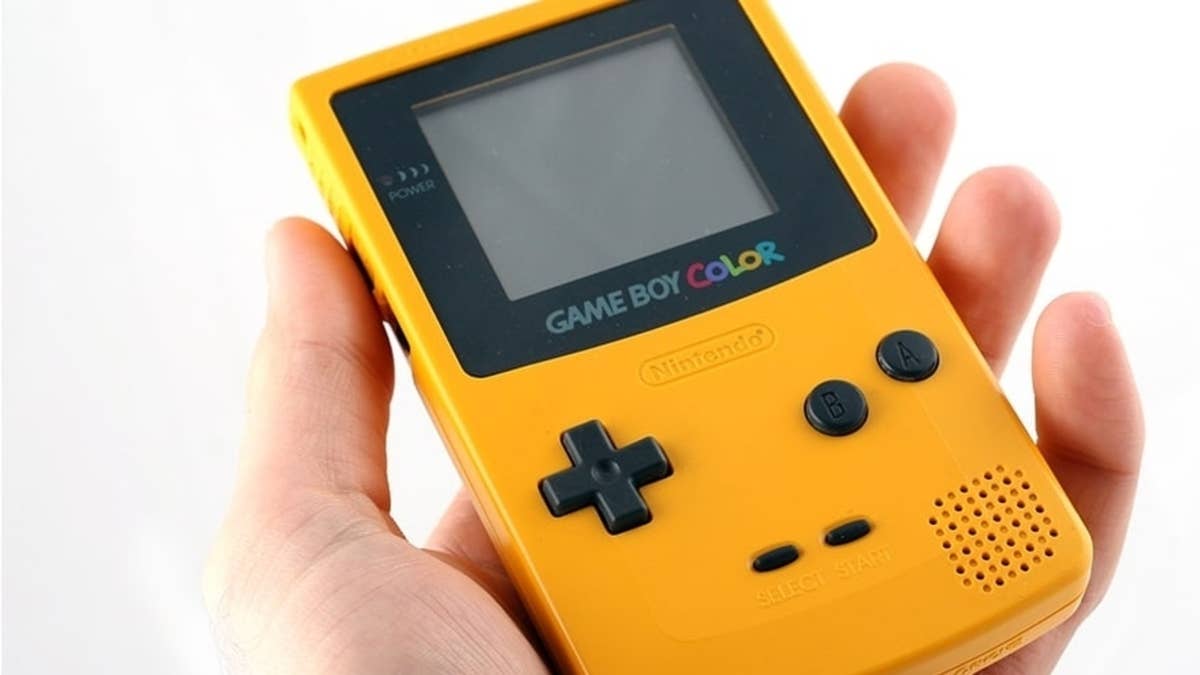
In the quest to unlock the Game Boy Color‘s full potential, it’s imperative to embark on a comprehensive exploration of its intricate graphics system. Serving as both the canvas and the foundation for gaming adventures, this compact handheld console introduced players to a world where creativity and ingenuity merged seamlessly. As we delve into the mechanics of this graphics marvel, we uncover how its seemingly limited hardware laid the groundwork for groundbreaking programming tricks that would redefine the boundaries of visual storytelling.
The Game Boy Color‘s display, a modest 160×144 pixel screen, may have appeared modest in size, yet its capabilities extended far beyond its dimensions. At the heart of its graphical prowess was the ability to showcase up to 56 colors concurrently from a palette boasting a staggering 32,768 options. In this juxtaposition of limited screen space and expansive color choices, developers found a playground for their artistic visions.
Sprite Manipulation: Extending the Boundaries of Visual Space
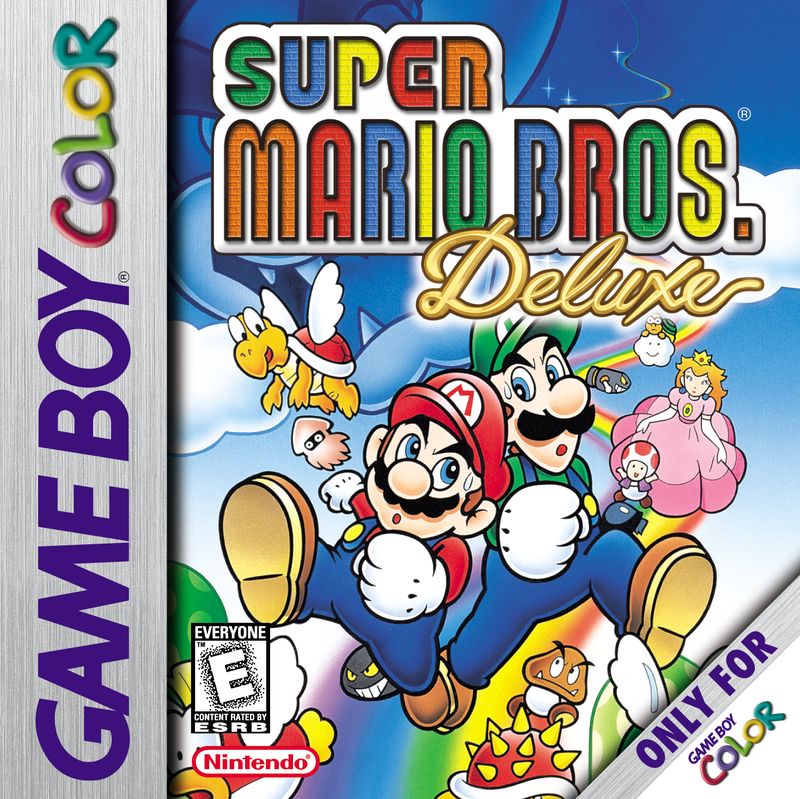

One of the most ingenious programming tricks used on the Game Boy Color was sprite manipulation. By dynamically altering the position, size, and properties of sprites, programmers could create the illusion of expansive environments that exceeded the console’s limitations. This technique was particularly effective in simulating smooth scrolling backgrounds, providing players with a sense of continuity and an immersive gaming experience. Games like “The Legend of Zelda: Link’s Awakening DX” and “Super Mario Deluxe” effectively utilized this trick to craft visually impressive and engaging worlds.
Parallax Scrolling: Depth in a 2D World
In the enchanting realm of Game Boy Color programming, a transformative technique emerged, elevating the visual experience of 2D gaming to unprecedented heights. This technique, known as parallax scrolling, wielded the power to inject life into flat, pixelated worlds, infusing them with a remarkable sense of depth and immersive realism. By skillfully orchestrating multiple layers of visual elements, developers harnessed parallax scrolling to create mesmerizing environments that defied the console’s inherent limitations and transported players to worlds brimming with dimension.
At its essence, parallax scrolling capitalizes on the visual phenomenon that objects at varying distances from the viewer appear to move at different rates. To achieve this effect on the Game Boy Color, programmers ingeniously employed the manipulation of background layers, each containing distinct visual components. The result was an optical illusion that simulated three-dimensional space within the confines of a 2D display, an achievement that heralded a new era of creative storytelling in the world of handheld gaming.
Imagine standing at the edge of a vast, pixelated forest within a game. Parallax scrolling breathes life into this scene by segmenting it into distinct layers: the distant horizon, the rolling hills, and the towering trees up close. As the player advances through the forest, these layers move at varying speeds, mimicking the natural pace at which objects would shift when observed from different distances. The farthest layer, representing the sky or distant landscapes, would scroll the slowest, while the closest layer, portraying immediate foreground elements, would move more swiftly. This dynamic interaction of layers bestowed an unprecedented sense of depth and spatial realism upon the gaming environment.
Color Cycling: Animation with a Limited Palette
In the enchanting realm of the Game Boy Color, where every pixel is precious and every shade significant, developers tapped into a programming technique that defied the console’s color limitations to deliver enchanting animations that captivated players’ imaginations. This technique, known as color cycling, illuminated the power of palette manipulation, enabling game worlds to come alive with fluid and captivating motion despite the constraints of a limited color palette.
At its heart, color cycling hinges on the concept of subtly shifting the colors within a fixed palette over time. The resultant effect creates the illusion of smooth transitions, as if the scene is undergoing gradual changes in lighting, weather, or ambiance. While the Game Boy Color’s palette was abundant with potential colors, it could only display a finite number simultaneously—usually around 56 colors. Color cycling allowed developers to multiply the visual potential of these colors by seamlessly cycling through them, producing nuanced and visually engaging animations.
Picture a roaring fire
Picture a roaring fire within a game’s pixelated world. Through color cycling, the fiery hues could gracefully shift from bright orange to deep crimson, and even to smoldering embers, creating a mesmerizing effect that would be impossible to achieve with static colors alone. Similarly, the glistening surface of water could shimmer as colors oscillated subtly, mimicking the gentle ebb and flow of waves.
Implementing color cycling required more than technical prowess; it demanded a keen eye for artistry and timing. Developers needed to select colors that complemented each other and could transition smoothly, creating a seamless visual experience. The speed of the cycling also played a vital role—too fast, and the effect would be jarring; too slow, and it might go unnoticed. This delicate balance was a testament to the developers’ dedication to achieving a harmonious animation that drew players deeper into the gaming world.
Mode 7-like Effects: Pseudo 3D on a 2D Canvas
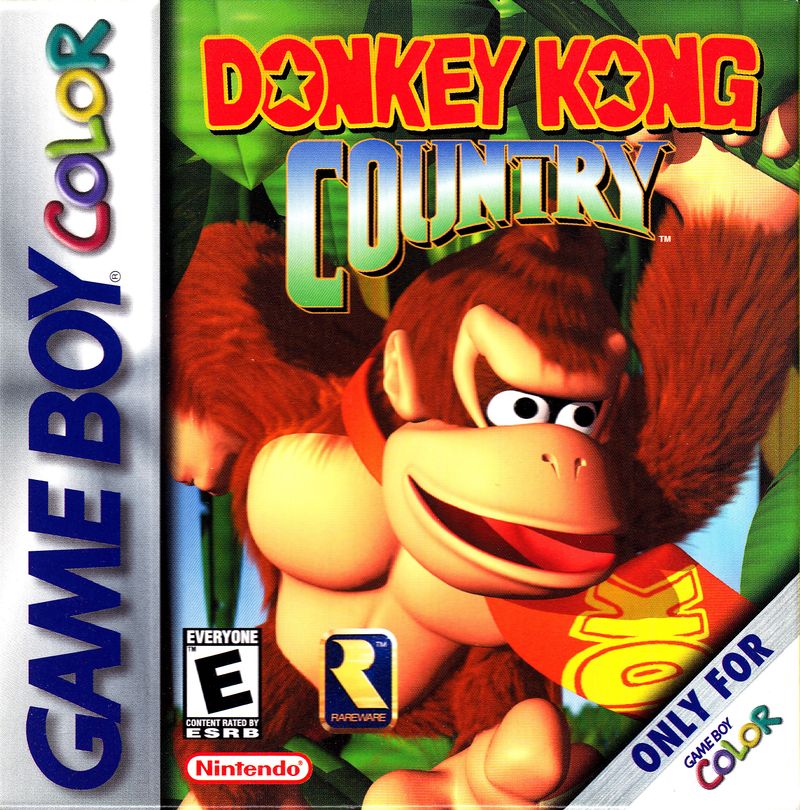
Inspired by the Mode 7 graphics mode of the Super Nintendo Entertainment System, programmers sought to replicate similar effects on the Game Boy Color. This programming trick involved rotating, scaling, and layering 2D graphics to simulate the appearance of three-dimensional depth and movement. While not as advanced as Mode 7, this technique breathed new life into games like “Wario Land 3” and “Donkey Kong Country,” allowing players to experience a pseudo-3D world within a 2D framework.
Pixel Artistry: The Beauty of Constraint
The Game Boy Color’s hardware constraints pushed programmers to embrace pixel artistry as a central component of their creative toolkit. With limited screen resolution and color options, programmers became pixel artists, arranging individual pixels meticulously to create intricate environments, characters, and animations. This marriage of art and programming gave rise to games that were visually captivating despite their pixelated nature, proving that creativity flourishes within constraints.
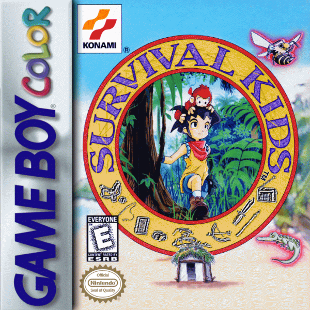
Faux 3D Rendering: Illusions of Depth and Space Programming Tricks
While true 3D rendering was beyond the capabilities of the Game Boy Color, developers employed programming tricks to create the illusion of depth and space. By utilizing scaling, rotation, and layering techniques, they crafted games with isometric and pseudo-3D environments that transported players to immersive and expansive worlds. “Survival Kids,” for instance, used these techniques to provide players with an isometric view of a stranded island, lending depth and complexity to the gameplay experience.
Dynamic Lighting: Shaping Reality with Light and Shadow Programming Tricks

Programmers harnessed the power of color palette manipulation and sprite layering to simulate dynamic lighting effects on the Game Boy Color. Games such as “Shantae” leveraged these techniques to implement day-night cycles, cast shadows, and add a sense of depth to the environments. Dynamic lighting not only enhanced the realism of the gaming experience but also showcased the prowess of programmers in working creatively with the console’s limitations.
Distortion and Warping: A Twist on Reality Programming Tricks
Some of the most memorable moments in Game Boy Color games were achieved through distortion and warping effects. By skillfully manipulating the console’s graphics hardware, programmers could create surreal sequences, dream-like landscapes, and visually captivating scenes that defied traditional conventions. These effects added an extra layer of depth to the narrative and gameplay, leaving players with a lasting impression of the unique visual experience.
Code Optimization: Maximizing Limited Resources Programming Tricks
Achieving impressive effects on the Game Boy Color demanded not only creative thinking but also efficient code optimization. With restricted processing power and memory, programmers had to employ techniques like data compression and memory management to ensure that their effects ran smoothly on the hardware. This emphasis on code optimization showcases the dedication of developers to extract the utmost potential from the limited resources available.
Conclusion Programming Tricks
The Game Boy Color era remains a testament to the innovative prowess of programmers who transcended the limitations of hardware to craft breathtaking visual effects and unforgettable gameplay experiences. Through sprite manipulation, color cycling, faux 3D rendering, and an array of other programming tricks, developers pushed the boundaries of what the console could achieve, reshaping the landscape of handheld gaming. These techniques not only highlighted the technical mastery of these programmers but also enriched the gaming world with timeless titles that continue to captivate players across generations. Looking back at this era, we are reminded that innovation knows no bounds, and even within the constraints of hardware limitations, creators can weave magic that immerses players in captivating and visually astonishing worlds.