


Introduction
The 1980s and 1990s witnessed a remarkable era in the world of video games, marked by intense competition, rapid technological advancement, and the birth of iconic gaming franchises. At the forefront of this era was the Sega Genesis, a console that ignited the 16-bit revolution and brought us cherished classics like Sonic the Hedgehog, Streets of Rage, and Phantasy Star. However, as time went on, the Sega Genesis faced a gradual decline that eventually led to its discontinuation. In this blog, we will take an in-depth look at the factors that contributed to the decline of the Sega Genesis and the legacy it left behind.
Intensifying Console Wars: A Two-Player Game

The early 1990s marked the peak of the console wars between Sega and Nintendo, two industry giants vying for supremacy in the gaming market. Sega’s iconic “Genesis does what Nintendon’t” campaign set the stage for a fierce rivalry that fueled innovation and pushed both companies to their limits. The arrival of the Super Nintendo Entertainment System (SNES) in 1991 intensified this competition, sparking a heated battle for the attention and wallets of gamers worldwide.
The SNES brought significant advancements in graphics and sound quality, thanks to its Mode 7 technology and a richer color palette. Games like Super Mario World and The Legend of Zelda: A Link to the Past showcased the capabilities of the SNES and solidified Nintendo’s position as a frontrunner in the industry. The Sega Genesis, while boasting its “blast processing” capabilities, found itself in a struggle to match the technical prowess of its rival.
Perilous Path of Add-Ons: Sega CD and 32X

The mid-1990s was a time of experimentation and exploration for Sega, driven by the desire to prolong the relevance of the Sega Genesis. This era birthed two significant add-on peripherals—the Sega CD and the 32X—that were intended to inject new life into the aging console. However, these ventures would ultimately contribute to the complexities that led to the decline of the Sega Genesis.
The Sega CD, launched in 1992, held the promise of an elevated gaming experience. With its ability to incorporate full-motion video, enhanced audio, and greater storage capacity, the Sega CD tapped into the burgeoning world of multimedia. Titles like “Night Trap” and “Sonic CD” showcased the potential of live-action video and engrossing narratives. The Sega CD appeared poised to revolutionize gaming, blurring the lines between interactive entertainment and cinematic storytelling.

However, the Sega CD faced substantial challenges. Its price point was notably higher than that of the base console, rendering it a considerable investment for gamers. Moreover, the limited library of compatible games failed to capitalize on the hardware’s capabilities. This, coupled with the prevalence of shovelware, diluted the perceived value of the Sega CD. While gems like “Lunar: The Silver Star” and “Snatcher” garnered acclaim, the overall perception of the add-on was marred by its limitations.
Hot on the heels of the Sega CD came the 32X, a bold endeavor to usher in 32-bit gaming before the industry transitioned entirely. Launched in 1994, the 32X promised enhanced visuals and greater processing power, aiming to bridge the gap between the 16-bit era and the impending 32-bit era. It was marketed as an affordable way to experience advanced graphics without having to purchase an entirely new console.
The 32X’s reception, however, was mixed at best. The add-on suffered from a lack of developer support, resulting in a limited selection of games that fully exploited its capabilities. While titles like “Virtua Fighter” demonstrated the potential of the hardware, the overall library failed to materialize, leaving many gamers underwhelmed. Moreover, the 32X’s existence further fractured the market, diluting the focus from the core Sega Genesis platform and confusing potential buyers.
Saturation of the Market: Quality Control and Game Glut
The Sega Genesis enjoyed a robust library of games, thanks to both first-party releases and third-party developer support. However, the influx of titles, both high-quality and mediocre, led to a lack of quality control. The market became oversaturated with games of varying degrees of excellence, resulting in consumer frustration. Gamers who had previously trusted the Sega Genesis brand began to approach new releases with caution, unsure of the overall quality they could expect.
This glut of games, combined with a lack of consistent quality assurance, contributed to a decline in consumer confidence and tarnished the reputation of the console. As the market struggled to filter out the gems from the duds, the once-reliable Sega Genesis started to lose its appeal.
Transitional Struggles and Next-Gen Aspirations Sega Genesis
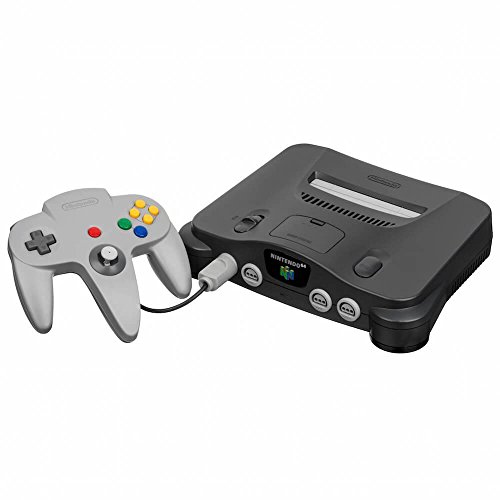
As the mid-1990s dawned, the gaming industry stood on the precipice of a seismic shift—a transition into the realm of 32-bit and 64-bit consoles. The Sega Genesis, once hailed as a revolutionary force in gaming, now stood at a crossroads. This period of profound transformation and transitional struggles played a pivotal role in the console’s eventual decline.
The impending advent of 32-bit and 64-bit consoles, exemplified by Sony’s PlayStation and Nintendo’s Nintendo 64, marked a watershed moment in gaming history. These platforms promised not only improved graphics and processing power but also more immersive and expansive game worlds. Gamers were tantalized by the possibilities of 3D graphics, cinematic storytelling, and gameplay experiences that were previously unimaginable.
In this swiftly changing landscape, the Sega Genesis found itself grappling with its own 16-bit architecture. The chasm between its capabilities and the emerging standards of the industry grew wider. The gap in graphical fidelity, processing power, and depth of experience became increasingly apparent, raising questions about the Genesis’s relevancy in a world on the cusp of transformation.
As the Sega Genesis entered the fray of next-gen aspirations, its limitations became more pronounced. The console’s reliance on 2D graphics and traditional gameplay mechanics placed it at a disadvantage in the face of 3D gaming experiences. Titles like “Super Mario 64” and “Final Fantasy VII” showcased the potential of the new generation, drawing players into immersive 3D worlds.
The transition to next-gen consoles also required developers to relearn their craft. The shift to 3D graphics demanded new tools, techniques, and design philosophies. Sega’s internal studios and third-party developers faced a daunting learning curve, grappling with the complexities of a new dimension in game development. This adjustment period further accentuated the Genesis’s struggle to keep up with the rapidly evolving industry.
Management Turmoil and Financial Challenges Sega Genesis
The decline of the Sega Genesis was also influenced by internal conflicts and management decisions within Sega. The company’s resources were stretched thin as it invested in developing new consoles, add-ons, and games. Moreover, the rift between Sega of America and Sega of Japan often resulted in conflicting visions for the company’s future. This lack of unity and clear direction affected decision-making and the overall strategic direction of the company.
Financial challenges exacerbated these issues. The costs associated with developing new hardware and software strained Sega’s resources, and the company struggled to maintain a steady financial course. These financial pressures limited the company’s ability to invest in research and development for the Sega Genesis, hastening its decline.
Shifting Gaming Landscape: The End of an Era Sega Genesis
The gaming landscape was evolving rapidly, and consumer preferences were changing alongside it. The allure of 3D graphics, immersive storytelling, and expansive open worlds became the new gold standard in gaming experiences. The Sega Genesis, with its focus on 2D platformers and classic arcade-style games, struggled to remain relevant in a world captivated by the possibilities of the third dimension.
This shift in preferences marked the end of an era for the Sega Genesis. While its library of games was a testament to the golden age of 2D gaming, the console couldn’t keep pace with the changing tastes of gamers. The decline of 2D platformers in favor of 3D adventures and other genres created a rift between the Genesis and its audience.
Conclusion Sega Genesis
Despite its decline, the Sega Genesis left an enduring legacy in the gaming industry. The console introduced innovative gameplay mechanics, iconic characters, and a diverse range of experiences that continue to resonate with gamers of all generations. The lessons learned from its decline have influenced subsequent console manufacturers, reminding them of the importance of clear direction, quality control, and adaptability.
While the Sega Genesis may have ended its journey, its impact on the world of gaming endures. The retro gaming community keeps its spirit alive, celebrating the memories and experiences it provided. The console’s influence can be seen in the indie gaming scene, where developers draw inspiration from the classics that defined the Sega Genesis era.
In conclusion, the decline of the Sega Genesis serves as a poignant reminder that even the most influential and beloved consoles are subject to the ebbs and flows of the industry. As we continue to witness the evolution of gaming technology, it’s essential to honor the legacy of consoles like the Sega Genesis, which played a vital role in shaping the gaming landscape we know today.